

Japan Through the Arts - The Reading List
What image of Japan do you get when you look at various art forms, such as films, photographs, books, architecture, and ceramics? The inevitable answer is: not a monolithic picture, but a composite of an enormous variety of cultural characteristics that collectively shape what the world generally associates with Japan.
The Leiden University Libraries hold countless books related to Japan in its collections: not only original and translated literature, but also books on other art forms related to Japan, such as manga, cinema, fashion, video games, tattoo art, and graphic and visual arts. In this reading list, we introduce you to works on artistic expressions related to Japan, all findable through the Catalogue of Leiden University Libraries.
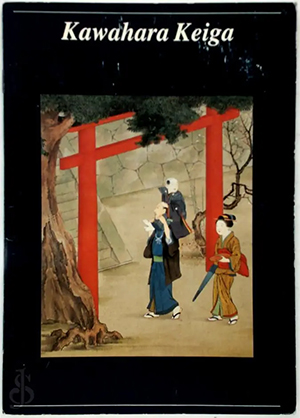
Kawahara Keiga: fotograaf zonder camera, Ken Vos, Matthi Forrer, Kawahara Keiga
1987
Who was Kawahara Keiga and why is he an important figure in the beginnings of Dutch knowledge production about Japan? You can learn about this in this concise, bilingual, and clear booklet, written for the exhibition on this court painter, held in 1987 at the National Museum of Ethnology – Wereldmuseum Leiden currently.
Further reading: Kawahara Keiga Studio Paintings by Guus Roëll
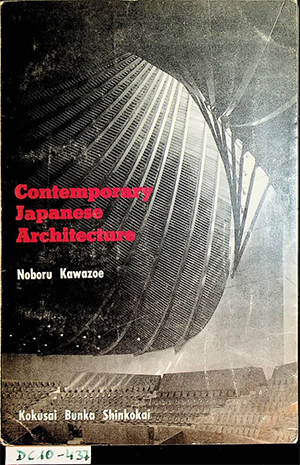
Contemporary Japanese Architecture, Noboru Kawazoe
1973
In this revised version of Contemporary Japanese Architecture, architect and author Noboru Kawazoe sheds light on the developments that formed the foundation of Japanese contemporary architecture. Targeted at a western audience, this book provides insight into the cultural background of Japan and how this is reflected in the designs of houses, buildings, and public spaces designed by some of the most important architects. The book shows the exchange between Western and Japanese knowledge and how this interaction brought on mutual influence.
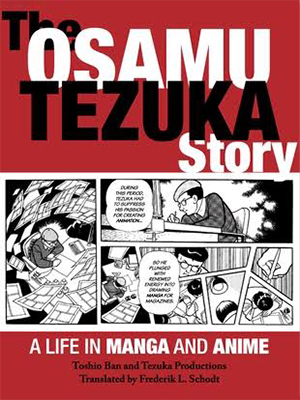
The Osamu Tezuka Story: a life in manga and anime, Toshio Ban
2016
How did a young Disney fan grow out to be one of the most important people in the world of animation? Divided into three parts, The Osamu Tezuka Story: A Life in Manga and Anime extensively describes the life of Osamu Tezuka, oftentimes referred to as the “god(father) of manga”, because of his crucial role in the development of manga and anime. Toshio Ban’s manga portrays the life of this legend of the ninth art – comics – and connects the dots between events, sources of inspiration, and the created stories.
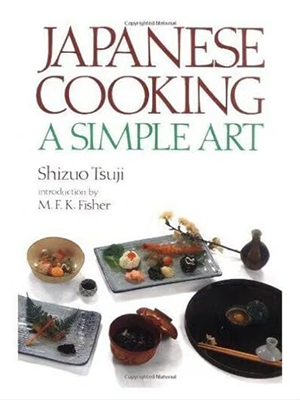
Japanese Cooking: A Simple Art, Shizuo Tsuji
1980
A reference work for all foodies! Since its publication in 1980, Japanese Cooking: A Simple Art by Shizuo Tsuji has served as a valuable resource for understanding the history and the basic principles of Japanese cuisine. This book not only shows recipes, but also offers extensive information about the different techniques used to present your meals, their traditional background, and the influence of the seasons on the menu during the year. Fun fact: Shizuo Tsuji founded the Tsuji Culinary Institute, one of the most important culinary institutes in Japan.
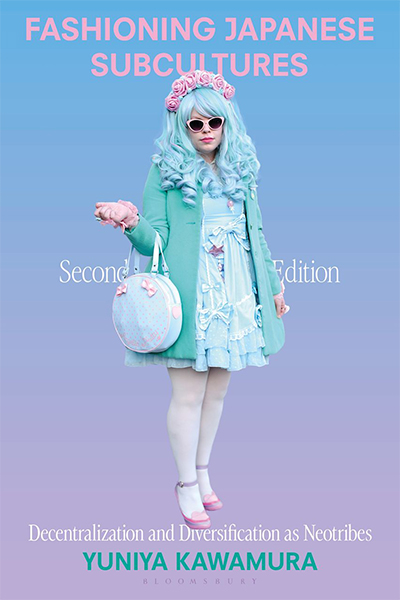
Fashioning Japanese subcultures: decentralization and diversification as neotribes, Yuniya Kawamura
2025
Since the 1990s, Japan has been known for its unique fashion subcultures, such as Lolita, Gyaru, Age-jo, Mori Girl and cosplay. These fashion styles mark a stark contrast with the mainstream fashion system and are never simply about clothing. Indeed, they are a medium to express diverse identities, affiliations, and states of mind. Over the last decade, and alongside social media’s booming popularity, these Japanese fashion scenes have not only reached multiple generations in Japan; they have also gained popularity among youth from all across the globe. What makes these subcultures so fascinating and appealing to people from all over the world?
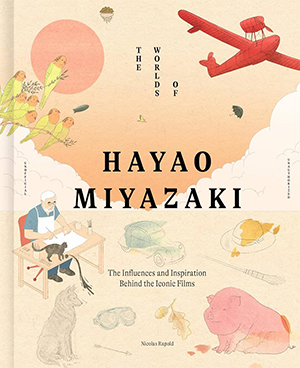
The Worlds of Hayao Miyazaki: the influences and Inspiration Behind the Iconic Films, Nicolas Rapold
2025
Hayao Miyazaki is the man behind beloved animated films such as My Neighbor Totoro (1988) and Spirited Away (2001). What are his influences? What inspired him? What is he trying to tell us through his films? This book is for Studio Ghibli fans who want to delve deeper into Miyazaki’s world.
Further reading: Hayao Miyazaki: Exploring the Early Work of Japan's Greatest Animator by Raz Greenberg.